Your full-day journey begins with an early morning pick-up from your hotel in Luxor. At approximately 8:00 AM, your private Egyptologist guide and air-conditioned vehicle will take you across the Nile to the majestic West Bank of Luxor, home to the most extraordinary funerary monuments of the New Kingdom. This part of the tour focuses on the monumental sites that once served as final resting places and ceremonial grounds for pharaohs and nobles.
Your first stop is the world-famous Valley of the Kings, a desert necropolis carved deep within the Theban mountains. Here, you will explore three remarkable royal tombs, each decorated with vivid hieroglyphs and scenes depicting the pharaoh’s journey to the afterlife. While exploring the tomb corridors and burial chambers, your guide will explain the symbolic meaning behind the decorations, the mummification process, and the religious beliefs that shaped ancient Egyptian funerary traditions. Travelers may also choose to visit the tomb of Tutankhamun as an optional extra.
From here, continue to the magnificent Temple of Hatshepsut at Deir el-Bahari. This terraced mortuary temple, built by Egypt’s powerful female pharaoh, stands against towering limestone cliffs. Its elegant colonnades and detailed reliefs narrate Hatshepsut’s reign, divine birth story, and her expedition to Punt. Your guide will walk you through the temple’s architecture, ceremonial courtyards, and sanctuaries, highlighting the queen’s political legacy and her significant contributions to Egyptian history.
Next, head to the impressive twin statues of Colossi of Memnon, the giant seated figures of King Amenhotep III. These massive stone guardians once flanked the entrance of his vast mortuary temple. Today, they remain an iconic West Bank landmark, offering excellent photo opportunities and historical insights into the original temple complex, much of which lies beneath the sands.
Around midday, enjoy lunch at a local restaurant overlooking the Nile. This relaxing break offers a taste of traditional Egyptian cuisine and allows you to recharge before exploring the East Bank.
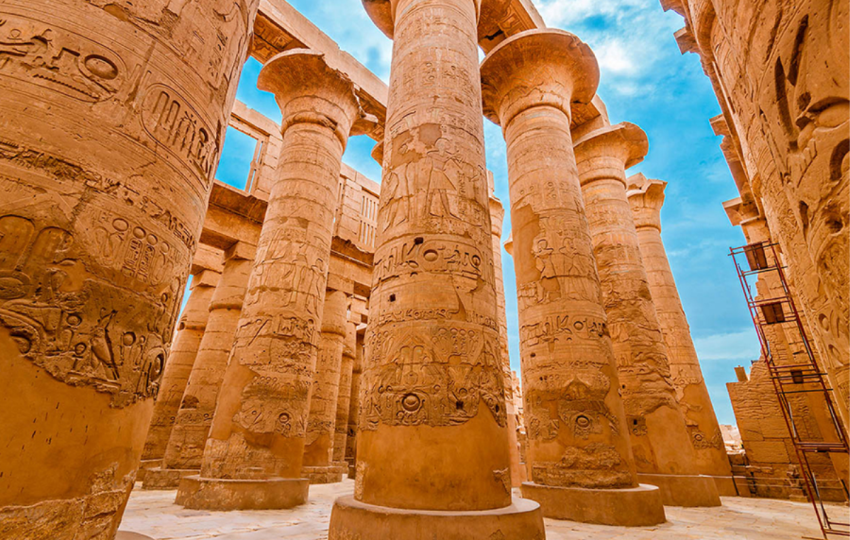
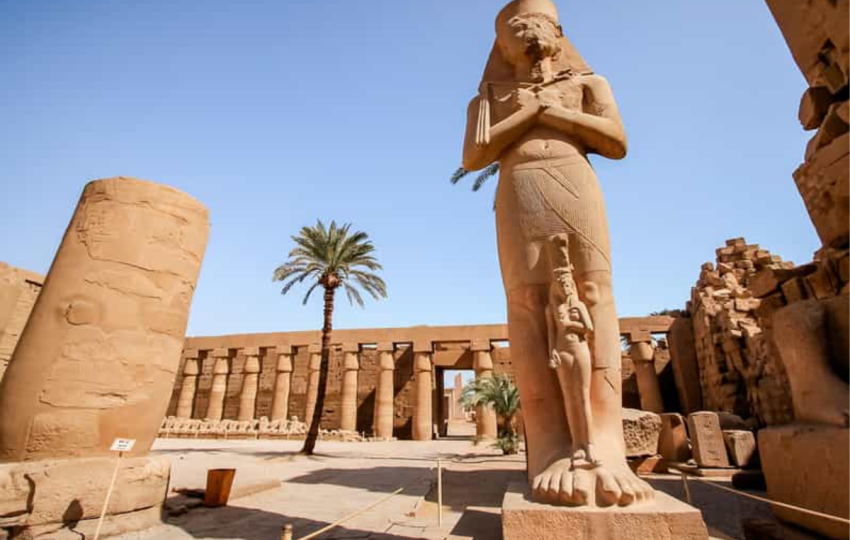
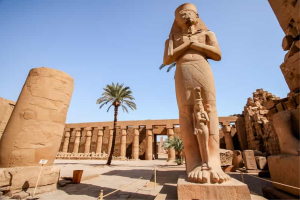
After lunch, your tour continues with a visit to Karnak Temple, the largest religious complex ever built. Spread across vast open-air halls, sacred lakes, shrines, and monumental pylons, Karnak embodies more than 2,000 years of architectural evolution. Walk through the breathtaking Hypostyle Hall, with its towering 134 columns, explore the Temple of Amun-Ra, and admire the granite obelisks, statues, and monumental gateways. Your guide will explain the temple’s spiritual significance and the role it played in royal ceremonies, processions, and ancient worship.
Depending on timing, you may also explore additional sections such as the Temple of Khonsu, the Festival Hall of Thutmose III, or the Sacred Lake. Karnak is a highlight for photography lovers due to its massive scale and intricate details.
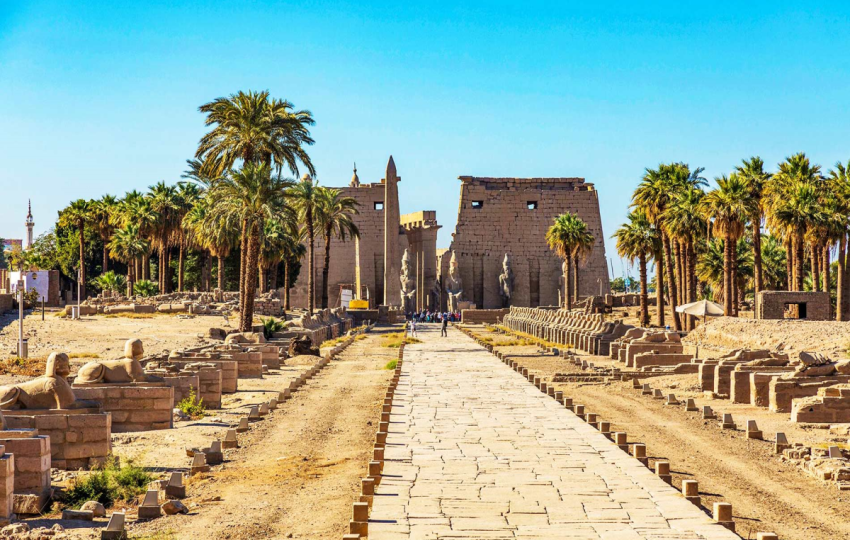
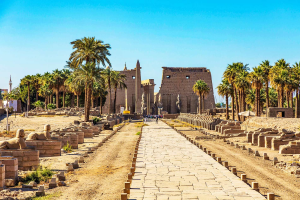
Your final stop for the day is the elegant Luxor Temple, beautifully situated in the heart of the city. Connected to Karnak by the ancient Avenue of Sphinxes, Luxor Temple served as a center for festivals, coronation rituals, and celebrations dedicated to the Theban divine triad. Walk through its majestic entrance flanked by colossal statues of Ramses II and admire its towering obelisk, court halls, and detailed inscriptions. Inside, discover chapels added by pharaohs and even by Alexander the Great, showcasing how the temple evolved through time.
In the late afternoon, stroll through the temple’s open courtyards and halls as the sunlight creates dramatic shadows across the ancient columns. Your guide will highlight stories of priests, rulers, and ceremonies that once filled these spaces with life.
At the conclusion of your tour, your private vehicle will transport you back to your hotel in Luxor. Arrival is typically between 5:30 PM and 6:00 PM. This comprehensive full-day exploration offers a rich understanding of Luxor’s dual heritage—its sacred tombs on the West Bank and its monumental temples on the East Bank—making it an unforgettable journey through the heart of ancient Egyptian civilization.